
What to check during the viewing
Check windows and doors room by room. Ask before opening them, support nothing with force, and stop if a fitting binds or feels unsafe. Record frames that appear decayed, cracked, distorted, recently patched, or difficult to operate; failed-looking seals or moisture between panes; damaged handles, hinges, restrictors, locks, thresholds, and sealant; and staining around reveals. Note glazing type only as stated or visibly marked. Request installation dates, invoices, guarantees, planning or building-control records where relevant, and key counts. A working handle during one viewing does not prove weather performance, escape suitability, security rating, ownership, or compliance.
Reference example
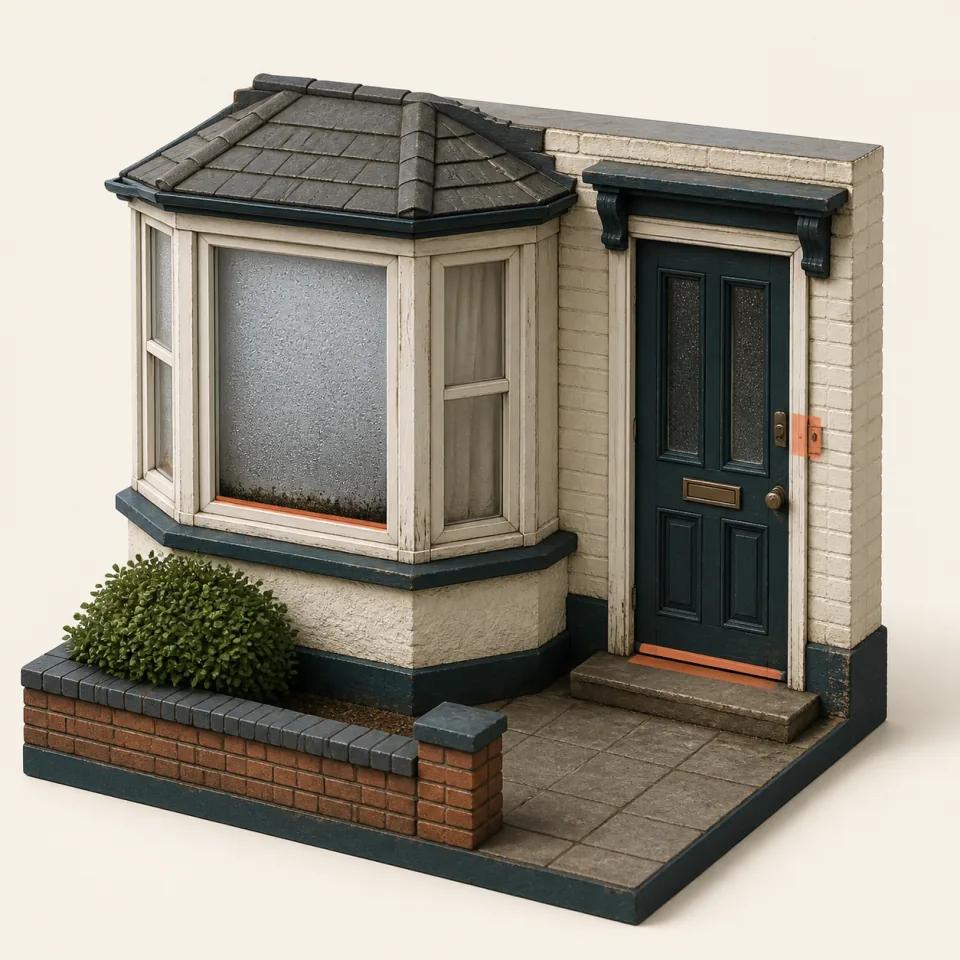
Windows and doors
Operation, locks, seals, condensation position, frame condition, glazing, and draught gaps.
Condensation appears between the front bay panes; lower frame is weathered; light is visible beneath the front door.
Follow up: Open permitted examples and ask what is included, warranted, repaired, or awaiting replacement.
Use a consistent sequence
- Use a room-by-room sample. Select accessible examples of different sizes, orientations, materials, and ages. Record which were demonstrated and which remained locked, painted shut, obstructed, or out of reach. Include external doors, patio doors, roof lights, and communal entrance arrangements where access and permission allow.
- Observe movement without force. Open, close, latch, and lock only as invited. Note rubbing, dropped alignment, stiff movement, loose hardware, missing keys, damaged restrictors, wide gaps, or visible daylight at seals. Do not defeat child restrictors, fire-door closers, security devices, or communal access controls to test them.
- Inspect visible frames and glazing. Look at corners, sills, lower rails, joints, beads, sealant, reveals, and nearby finishes. Record soft-looking or flaking timber without probing it, cracks in frames or panes, misting between sealed panes, condensation on room surfaces, and patch repairs. Separate location and material from any diagnosis.
- Trace replacements to paperwork. Ask when units were replaced, who installed them, and what certification, warranty, planning consent, listed-building consent, or landlord approval exists. Not every installation uses the same route. Give available records to the conveyancer and surveyor rather than deciding compliance from a logo or date sticker.
What to put in the record
- List every tested opening by room and record open, close, latch, lock, key, and restriction outcomes separately.
- Photograph a whole opening plus close detail of damage, staining, failed-looking glazing, or frame repairs where permission allows.
- Record external noise, weather, curtains, shutters, and ventilation position during the check because conditions affect impressions.
- Keep guarantees and certificates tied to the correct opening, installer, address, and date; note documents still missing.
Questions for the seller or agent
- Which windows and external doors have been replaced, when, by whom, and what certificates, permissions, invoices, and guarantees remain?
- Are any units difficult to open, leaking, misted, without keys, under repair, or subject to communal or leaseholder responsibility?
- Which openings are intended for ventilation or escape, and can their suitability be verified by the surveyor or relevant professional?
What this viewing check cannot establish
Do not lean out, stand on furniture, remove glazing beads, probe timber, dismantle locks, or force painted or swollen frames. Window restrictors and door closers may serve safety purposes. Record inaccessible or unsafe units as not checked and ask for a controlled demonstration or professional inspection.
Appearance does not prove thermal rating, safety glazing, fire performance, weather resistance, security standard, or regulatory approval. Replacement history can interact with building regulations, planning controls, listed status, leases, and warranties. Direct document questions to the conveyancer and technical condition questions to the surveyor or specialist.
When to get professional help
Give the surveyor your opening schedule when frames are damaged, repeated misting or staining appears, doors bind, or replacement evidence is missing. For specialist assessment, ask for condition, operation, weathering, safe access, repairability, and document limits. Do not accept a sales quotation as an independent diagnosis of every opening.
Continue the property record
Return to the complete UK property viewing checklist or review a connected check:
Use this check in the next decision
Keep the observation attached when you revisit, ask follow-up questions, or compare shortlisted homes:
- Second Viewing Checklist for UK Buyers
- Questions to Ask After a House Viewing
- How to Compare Property Viewings
Apply the same twelve checks with property-specific emphasis:
Primary sources
- RICS: house surveys, types, costs, and benefits
- GOV.UK: deciding on a home
- GOV.UK: Energy Performance Certificates
Last reviewed 9 September 2026. England-focused general information; property, transaction, and professional requirements differ.