
What changes for this property type
For a new-build viewing, identify whether you are seeing the contracted plot, a show home, or an example specification. Record plot orientation, surrounding construction, access, parking, boundaries, room dimensions, storage, sockets, heating, ventilation, windows, doors, finishes, and items promised in the specification. Photograph and test only as permitted. Keep incomplete work, cosmetic items, operating concerns, and document gaps separate. Ask for plans, specification and variations, warranty details, commissioning and installation records, EPC, management or estate charges, completion process, and handover arrangements. A snag list is not a structural survey, legal review, valuation, or guarantee that every system was properly commissioned.
Priorities within the same twelve checks
Give these checks extra attention
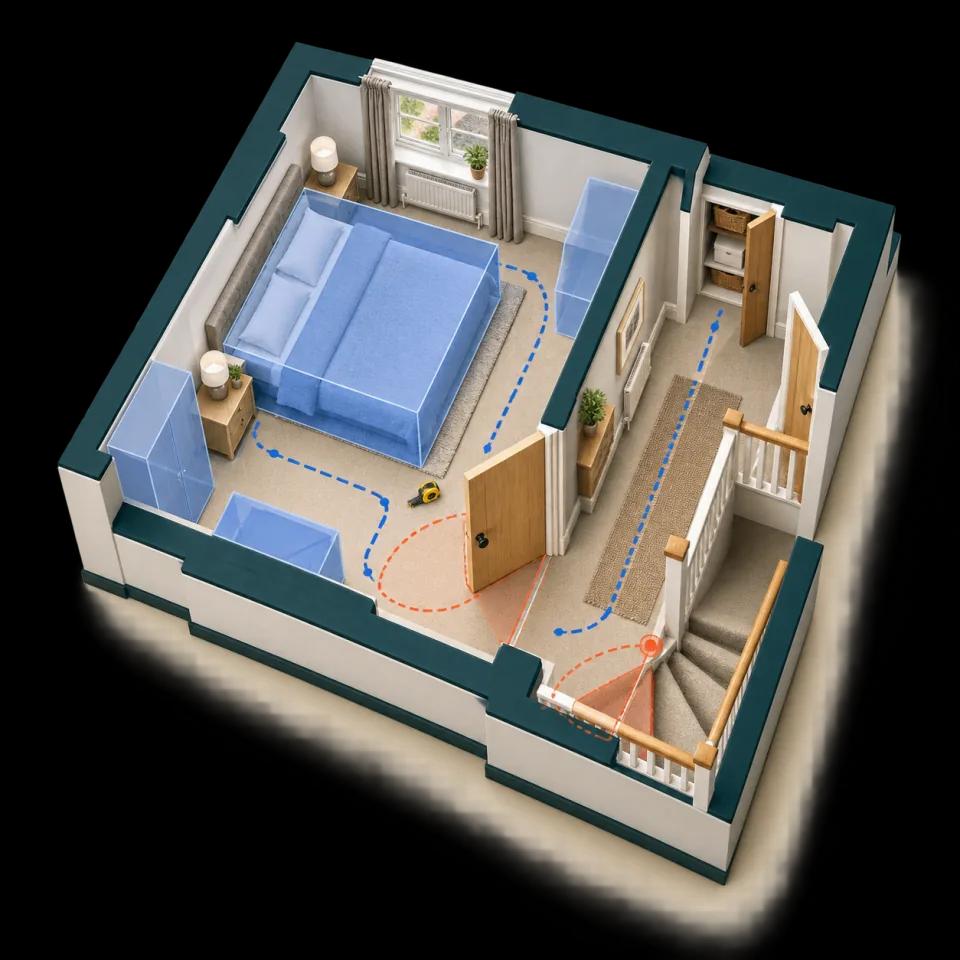
Tie dimensions to the contracted plot
Confirm whether room layout, ceiling heights, windows, doors, cupboards, appliances, sockets, radiators, parking, garden, and finishes belong to the plot being considered. Record sales-suite statements and brochures as sources, not specifications. Measure critical furniture and accessibility points during permitted access, including door swings and unfinished surfaces. Ask how substitutions and variations are documented and approved.
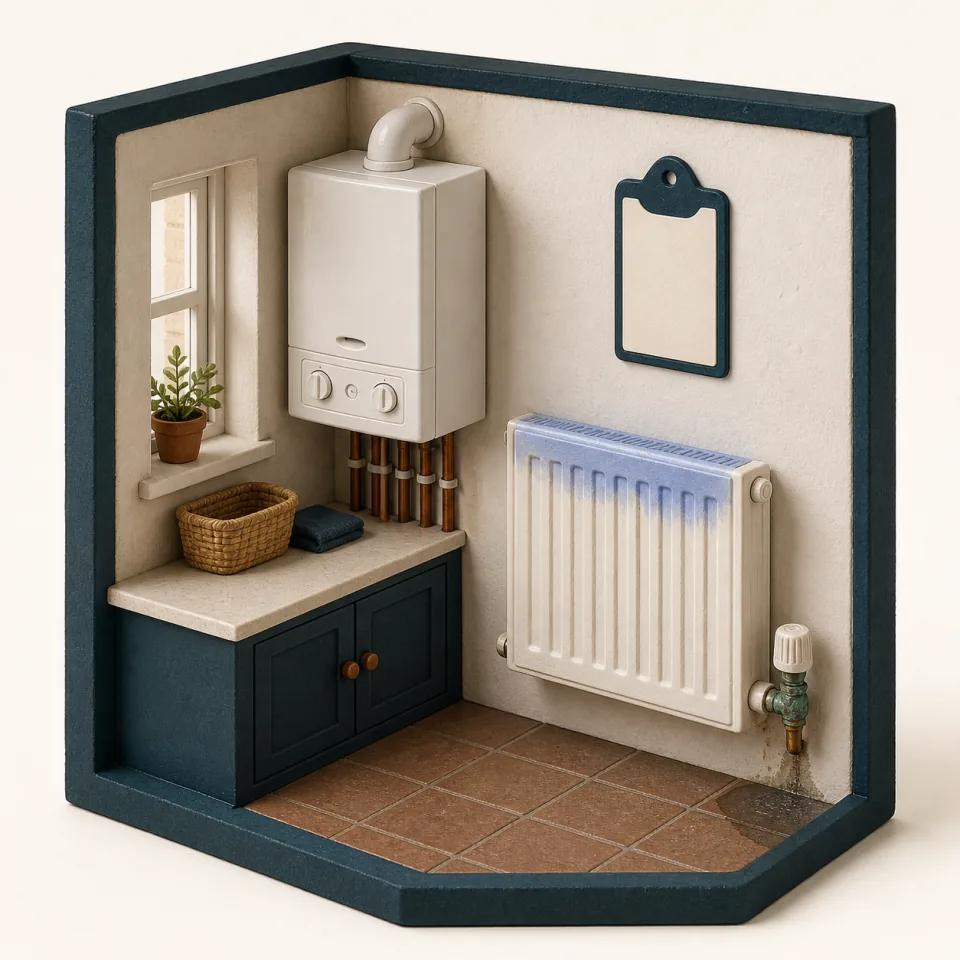
Record commissioning, controls, and ventilation
Identify heat source, hot-water arrangement, controls, emitters, extractors, background ventilation, and any communal system as stated. Request a normal demonstration where appropriate to the build stage. Do not start isolated equipment or change settings. Ask for commissioning, installation, warranty, instruction, meter, and service information. A new appearance does not prove correct setup, safe operation, or performance in occupied conditions.
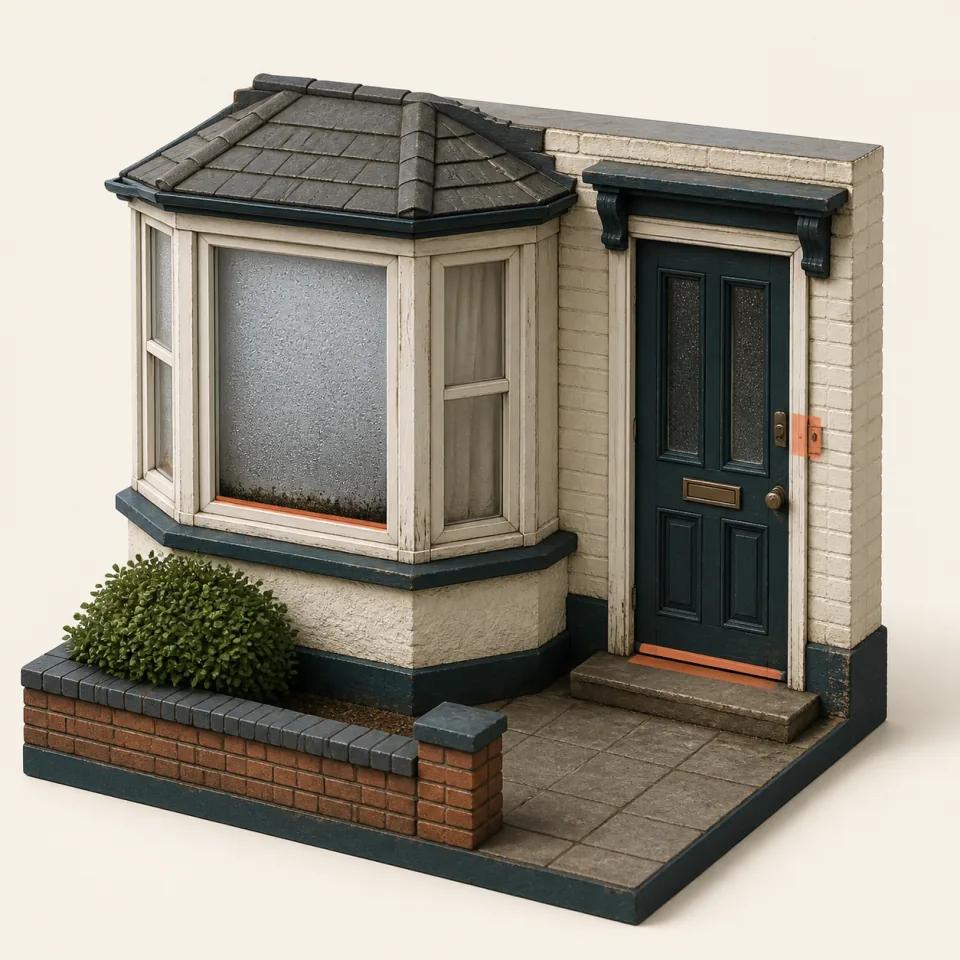
Check repeatable operation and finishes
With permission, open representative windows and doors, including external and communal openings. Record rubbing, gaps, damaged seals, loose hardware, incomplete paint, scratched glazing, lock or key issues, restrictors, closers, and thresholds. Distinguish finish from operation and safety questions. Do not force fittings or defeat safety devices. Repeat defects across rooms should be logged separately so each location can be verified later.

Capture estate obligations before comparison
Record tenure, management company, service or estate charges, review basis, communal systems, private roads, open space, parking controls, and anticipated handover to residents or another manager. Ask for the legal and budget documents through the transaction. Sales estimates may change and do not establish future cost, legal liability, or service quality.
Evidence to preserve
- Identify plot number, postal address if assigned, visit stage, access areas, and whether every image or note describes the contracted home or an example.
- Keep brochure, reservation agreement, specification, drawing revision, variation, sales statement, inspection record, and completion document separate.
- Log each visible issue by exact room, surface or fitting, category, photograph, responsible party, target date, and recheck outcome.
- Record systems not commissioned, utilities unavailable, finishes incomplete, or rooms inaccessible as not checked rather than clear.
- Preserve buyer-entered allowances separately from developer estimates, warranty coverage, professional findings, and confirmed transaction figures.
Questions for the next stage
- Which drawings, specification version, options, substitutions, finishes, appliances, external works, parking, storage, and landscaping form the agreement?
- What inspections are permitted before completion, who may attend, what reinspection process exists, and how are unresolved items recorded at handover?
- Which warranties, approvals, completion documents, EPC, commissioning records, manuals, certificates, and emergency contacts will be supplied?
- What management, estate, service, communal-energy, parking, road, drainage, or open-space obligations and current estimates apply?
Professional and safety boundaries
NHQB publishes a pre-completion inspection checklist for defined use by appropriately qualified inspectors under its framework. Buyer access, warranty, contract, inspection, and complaint arrangements vary. Do not present an informal viewing record as an NHQB inspection, building-control approval, warranty inspection, or professional survey.
Do not enter active construction areas without controlled access, touch unfinished services, remove protective materials, or delay completion based on unsupported diagnosis. Send contractual and document questions to the conveyancer. Use suitable inspectors and specialists within agreed scope for condition, commissioning, measurement, and defect questions.
Compare every property type consistently
Context changes emphasis, not the twelve-check structure. Return to the complete UK property viewing checklist and record every unchecked item explicitly.
Primary sources
- New Homes Quality Board: pre-completion inspection checklist
- New Homes Quality Board: New Homes Quality Code
- GOV.UK: How to buy a home
Last reviewed 9 September 2026. England-focused general information; property, transaction, and professional requirements differ.