
What changes for this property type
When viewing a period home, use all twelve checks but pay close attention to how roof, rainwater goods, walls, floors, chimneys, windows, ventilation, ground levels, and later services interact. Record traditional and replacement materials only where known, visible repairs without guessing their purpose, moisture signs with weather and ventilation context, distortion without diagnosing movement, and alterations with the evidence said to support them. Check listed status and conservation context through official sources. Historic England advises buyers of older properties not to rely on a mortgage valuation alone and to commission an appropriate survey. Choose a surveyor experienced with the building's age, type, condition, and proposed work.
Priorities within the same twelve checks
Give these checks extra attention
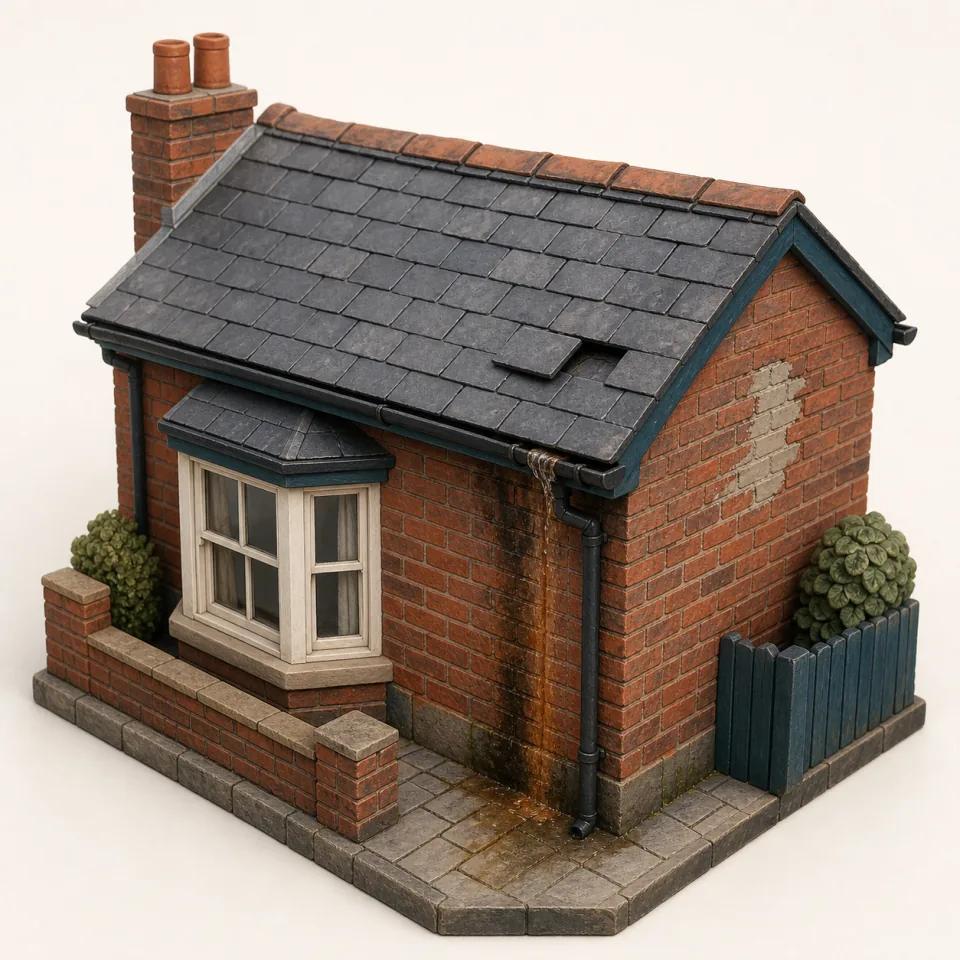
Read water routes and material junctions
From safe permitted positions, follow roof slopes, valleys, chimneys, flashings, parapets, gutters, outlets, downpipes, gullies, walls, plinths, and ground levels. Record staining, vegetation, open joints, displaced covering, eroded finish, patch repair, and different materials by location. Traditional fabric and later replacement can behave differently; visible contrast identifies questions, not the correct repair method.
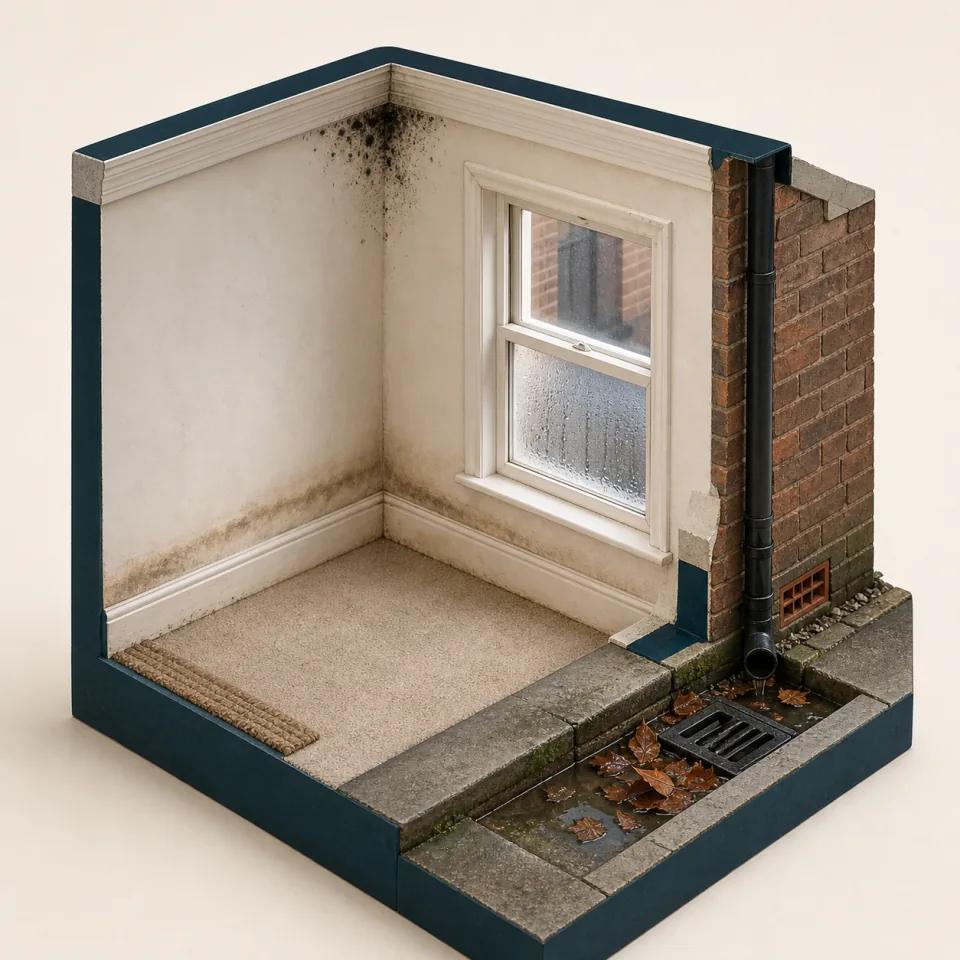
Record moisture context without selecting treatment
Note smell, mould, salts, flaking finish, staining, condensation, ventilation, heating, recent decoration, external drainage, and whether the property was occupied. Older fabric may require building-pathology expertise. Do not diagnose rising damp from a mark or handheld reading, and do not assume modern waterproof coatings are suitable. Ask what investigation identified source and what records show aftercare.
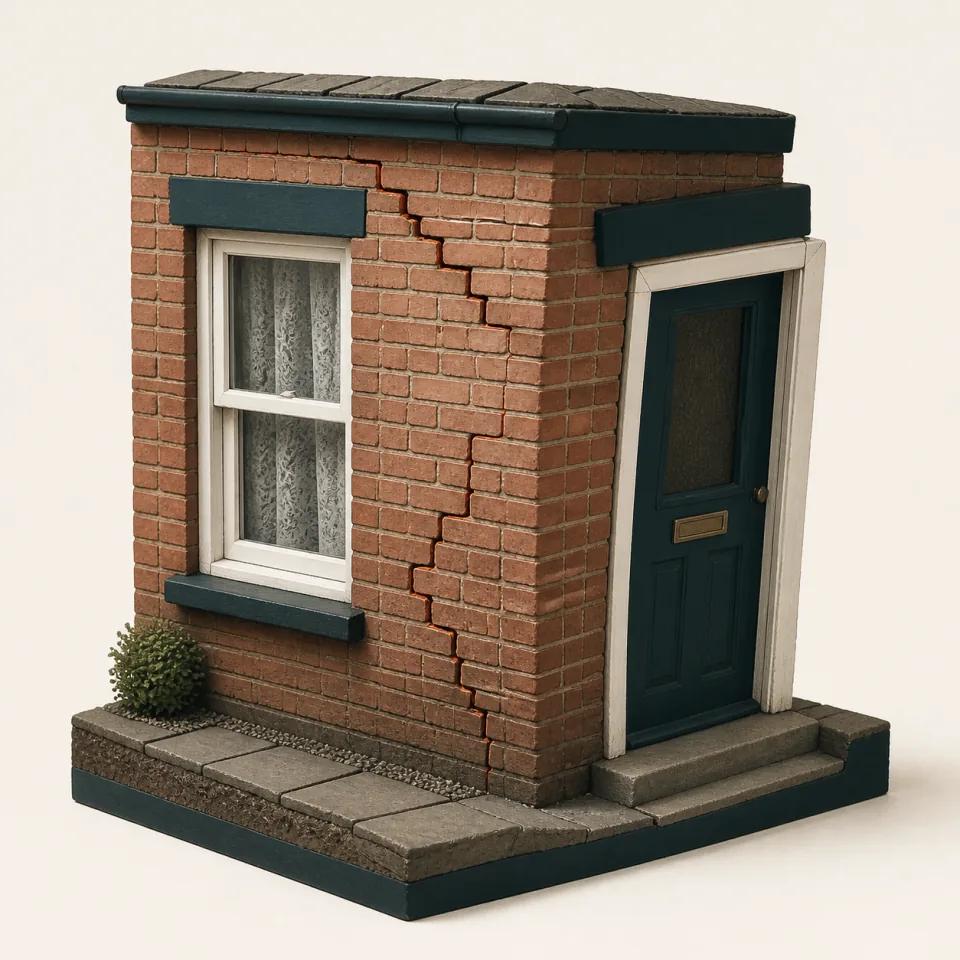
Map distortion and alteration history
Record cracks, bowed surfaces, uneven floors, binding openings, altered chimney breasts, removed walls, extensions, and junctions between building phases. Photograph context and close detail without probing. Ask for dated reports, monitoring, structural calculations, approvals, listed-building or planning consent, and completion records. Age alone does not explain whether movement is historic, active, cosmetic, or unrelated.
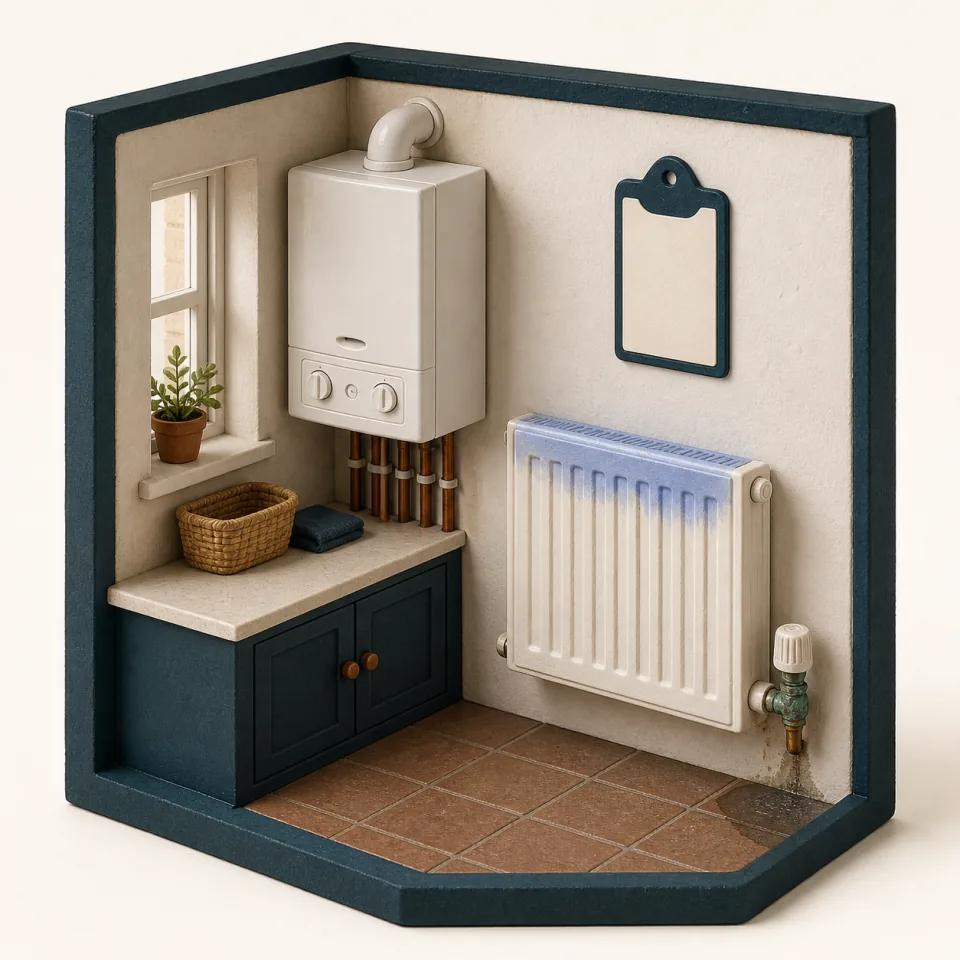
Separate old fabric from later systems
Identify heating, hot water, electrical, plumbing, ventilation, and insulation changes as stated. Record surface-mounted routes, boxed areas, error displays, corrosion, portable heaters, draught context, and unavailable demonstrations. Request EPC, inspections, service history, approvals, and warranties. Upgrades can improve use while creating interactions that require property-specific professional assessment.
Evidence to preserve
- Create a simple chronology of original-looking fabric, visible building phases, stated alterations, repair documents, and dates still unknown.
- Record every moisture or movement sign with location, material, scale, weather, heating, ventilation, and nearby external feature.
- Check listed status and conservation context through official sources, then ask the conveyancer and relevant authority about documentation for alterations.
- Keep modern replacement appearance separate from suitability, approval, condition, and remaining life; each needs evidence within professional scope.
- Mark concealed, furnished, rendered, recently decorated, inaccessible, or unsafe areas not checked and share limitations before survey instruction.
Questions for the next stage
- Which roof, chimney, wall, drainage, timber, window, floor, insulation, heating, electrical, or plumbing works occurred, and what evidence supports each?
- Is the property listed or in a conservation area, and which planning, listed-building, building-control, covenant, lender, or insurer records apply to changes?
- Have there been moisture, movement, infestation, flood, fire, insurance, or structural investigations, and can complete reports and follow-up evidence be supplied?
- Which surveyor experience and survey level fit this building's age, construction, condition, alterations, access limits, and intended work?
Professional and safety boundaries
This checklist does not identify construction type, diagnose decay, prescribe breathable materials, approve repairs, date fabric, or interpret listed-building controls. Historic England guidance helps frame maintenance and buying questions, but professional advice must fit the particular building, work, location, and legal context.
Do not scrape finishes, probe timber, lift boards, enter unsafe cellars or roofs, operate isolated systems, or commission treatment from a sales diagnosis. Mortgage valuation, condition survey, structural inspection, service testing, heritage advice, and legal review have different scopes. Agree what each professional will and will not cover.
Compare every property type consistently
Context changes emphasis, not the twelve-check structure. Return to the complete UK property viewing checklist and record every unchecked item explicitly.
Primary sources
- Historic England: thinking of buying an older property
- Historic England: home maintenance and repair
- Historic England: home maintenance checklist
- RICS: house surveys, types, costs, and benefits
Last reviewed 9 September 2026. England-focused general information; property, transaction, and professional requirements differ.